

Helping Stop the Itch for Cat & Dog Allergies in Puyallup, WA
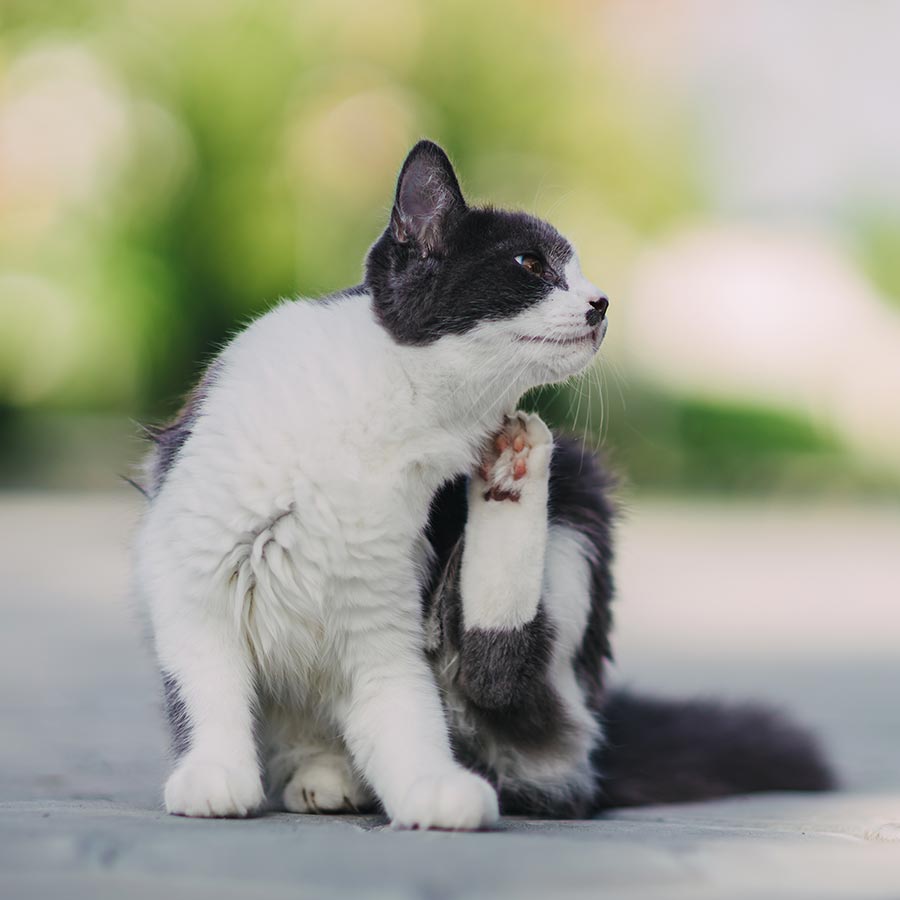
If your pet seems like they are auditioning for the role of “world champion scratcher,” allergies may be to blame. Our Puyallup veterinarians help itchy pups and sensitive kitties find relief so they can get back to the important things in life, like naps, zoomies, and keeping watch over the neighborhood squirrels.
Cat and dog allergies are one of the most common reasons pets visit our animal hospital. The good news is that your pet does not have to spend every season scratching, licking, chewing, and feeling miserable. With the right diagnosis and treatment plan, we can help bring comfort back to their daily life.
If your furry bestie has been battling the itchies, schedule an allergy consultation today. Together, we can help them feel purr-fectly comfortable again.
Is Your Pet Trying to Scratch You a Message?
Allergies can show up in different ways, and many pets suffer quietly before obvious signs appear.
Common signs of allergies include:
Constant scratching or biting at the skin
Excessive paw licking
Red, inflamed, or irritated skin
Hair loss or excessive shedding
Frequent ear infections or ear debris
Scooting
Recurrent skin infections
Sneezing or respiratory signs
Chewing at the feet or belly
A funky odor coming from the skin or ears
Some pets only itch during certain seasons, while others seem uncomfortable year-round. If your dog or cat is showing any of these signs, it is worth taking a closer sniff at the problem.
What Makes Pets So Itchy?
Despite all the things the internet might blame, allergies in pets usually come down to three main culprits: environmental allergies, food allergies, and flea allergies.
Environmental Allergies
Environmental allergies are the most common type we see. Pollen, grasses, mold, dust mites, and other environmental triggers can leave pets itchy and uncomfortable.
These allergies often become seasonal at first, but many pets eventually experience symptoms throughout the year. Common signs include licking the paws, scratching, ear infections, and irritated skin.
Food Allergies
Food allergies tend to cause year-round symptoms and can affect the skin, ears, and digestive system. Some pets react to proteins they have eaten for years.
Food allergies are not usually solved by switching brands every month. Instead, we may recommend a specialized elimination diet or customized nutrition using novel proteins to help identify the culprit.
Flea Allergies
For some pets, a single flea bite is enough to send their skin into full panic mode. Flea allergy dermatitis can cause intense itching, hair loss, and inflamed skin, especially around the back and tail area.
Consistent flea prevention is one of the simplest ways to avoid a lot of unnecessary scratching.
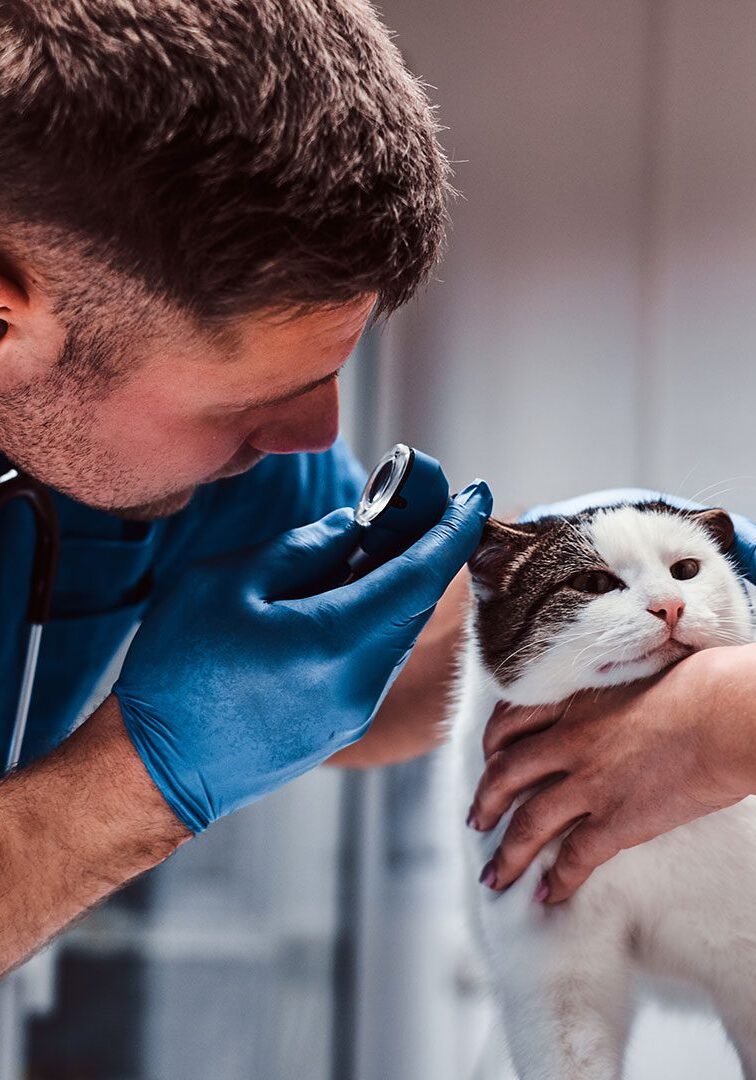
Sniffing Out the Cause and Finding Relief for Your Pet’s Itching
Because every itchy pet is different, treatment starts with figuring out what is actually causing the problem.
Depending on your pet's symptoms, diagnostics may include:
Skin cytology
Ear cytology
Allergy testing
Food elimination trials
Blood work
Parasite screening
Evaluation for secondary skin infections
Treatment plans are tailored to your pet and may include:
Medications and Allergy Injections
For environmental allergies, oral medications and injections can help calm the itch and provide relief.
Immunotherapy
For younger pets or those with ongoing environmental allergies, allergy testing and customized immunotherapy can help retrain the immune system over time. Think of it as helping your pet make peace with the pollen.
Nutrition Support
For food allergies, we may recommend therapeutic diets or novel proteins designed specifically for sensitive pets.
Flea Prevention
Regular flea prevention helps stop tiny troublemakers before they trigger a major skin meltdown.
Treating Secondary Infections
Many itchy pets develop bacterial or yeast infections along the way. Addressing those infections is an important part of helping your pet feel better.
The Truth About Allergy Management (And the Costs That Come With It)
Allergies are usually managed, not cured. The goal is not perfection — it is comfort.
Some pets need seasonal support, while others need year-round management. Finding the right plan can take some patience because allergies often require a combination of treatments that evolve over time.
Costs vary depending on the severity of your pet's symptoms and the treatment approach. While allergy management represents an ongoing investment, untreated allergies can lead to repeated ear infections, skin infections, constant discomfort, and expensive emergency visits.
Most importantly, treating allergies means your pet spends less time scratching and more time doing the things they love. And honestly, that is worth a lot.