

Focused on Comfort During Cat and Dog Surgery in Puyallup, WA
Hearing that your pet may need surgery can make your stomach drop faster than a treat hitting the kitchen floor. Our Puyallup, WA veterinary team understands how worrisome cat and dog surgery can be for pet parents, so you can expect careful planning, clear communication, and a trained team focused on your pet’s comfort every paw-step of the way.
At Toptails Vet, we help pets with a variety of soft tissue and medical concerns when surgery is the right next step. While we do not currently perform spay and neuter procedures, we do provide surgical care for select cases and will guide you honestly if your pet needs referral-level support.
If your pet has a wound, lump, injury, or urgent concern that may need surgical attention, schedule a visit today.
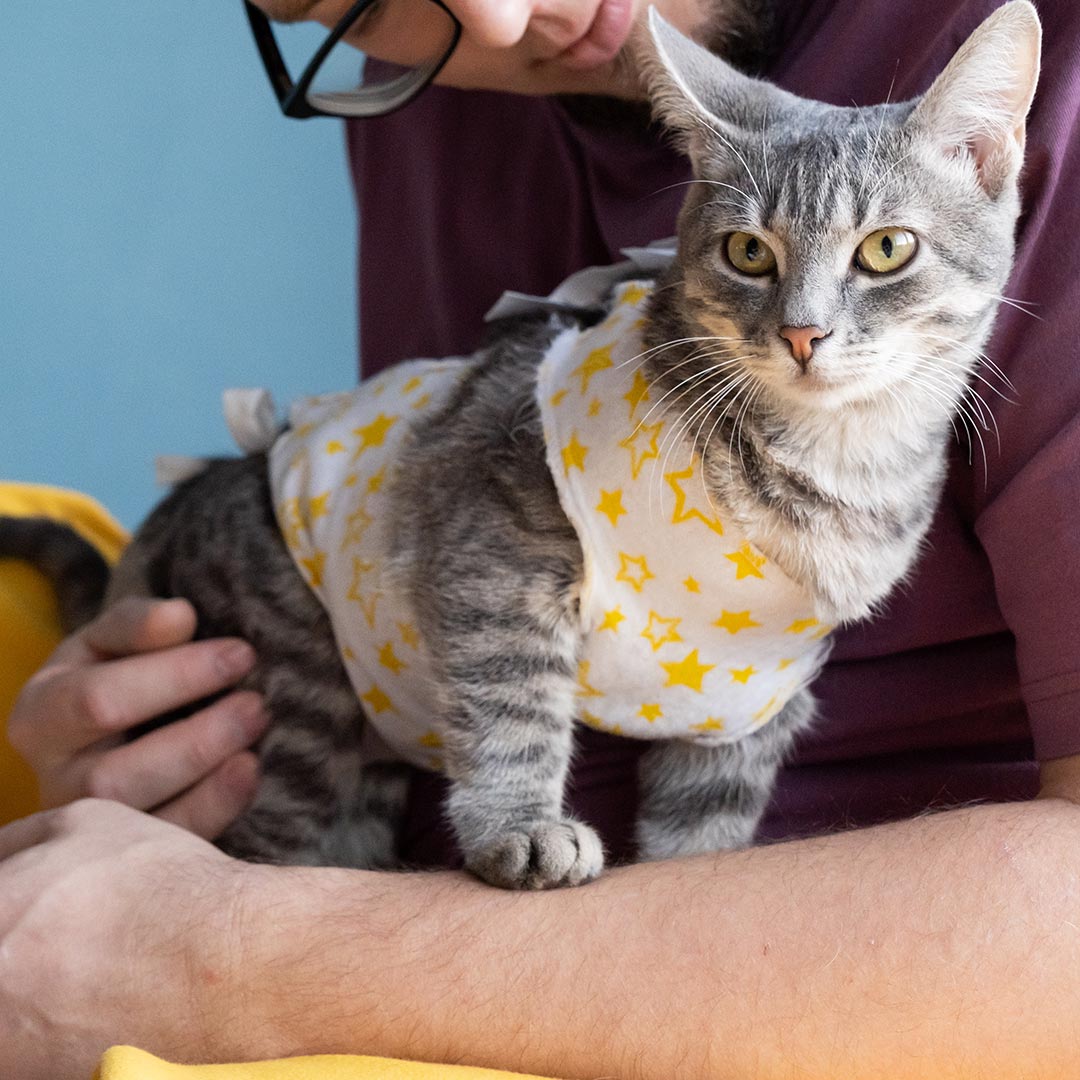
Why Might My Pet Need Surgery?
Surgery may be recommended when a condition cannot be managed with medication, monitoring, or routine care alone. Sometimes it helps remove something painful, repair an injury, collect important answers, or prevent a problem from getting worse.
Your pet may need surgery for concerns such as lumps, wounds, abscesses, damaged tissue, certain growths, foreign body concerns, bladder-related issues, or other medical problems that require hands-on treatment.
Pets are famously talented at acting “totally fine” until they are very much not fine. If your dog or cat is limping, bleeding, licking a wound, has a growing lump, seems painful, stops eating, vomits repeatedly, or is acting off, it is time to let our team take a closer look.
Pet Surgeries We May Off-fur
Toptails Vet focuses on practical surgical care that fits our role as a primary and urgent care hospital. We keep recommendations honest, case-specific, and centered on what is safest for your pet.
Depending on your pet’s condition, our surgical services may include care for:
Wound repair
Abscess treatment
Lump or mass removal
Select soft tissue procedures
Certain urgent care surgical needs
Case-by-case procedures with support from visiting veterinarians when appropriate
Before any surgery, we perform an exam and discuss recommended diagnostics, anesthesia, pain management, recovery, costs, and expected next steps. No hidden tricks. No mystery medical maze. Just clear answers for your furry VIPaw.
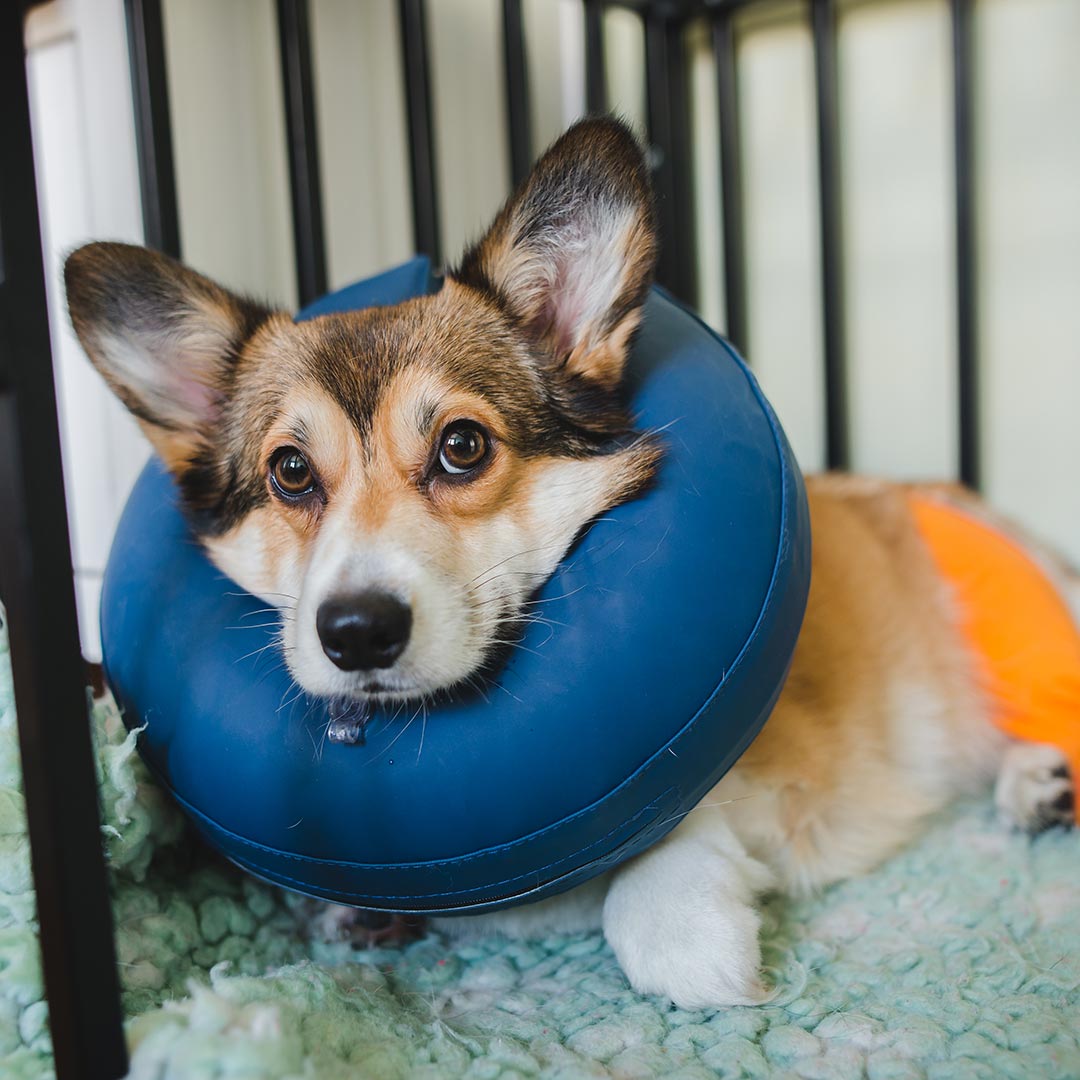
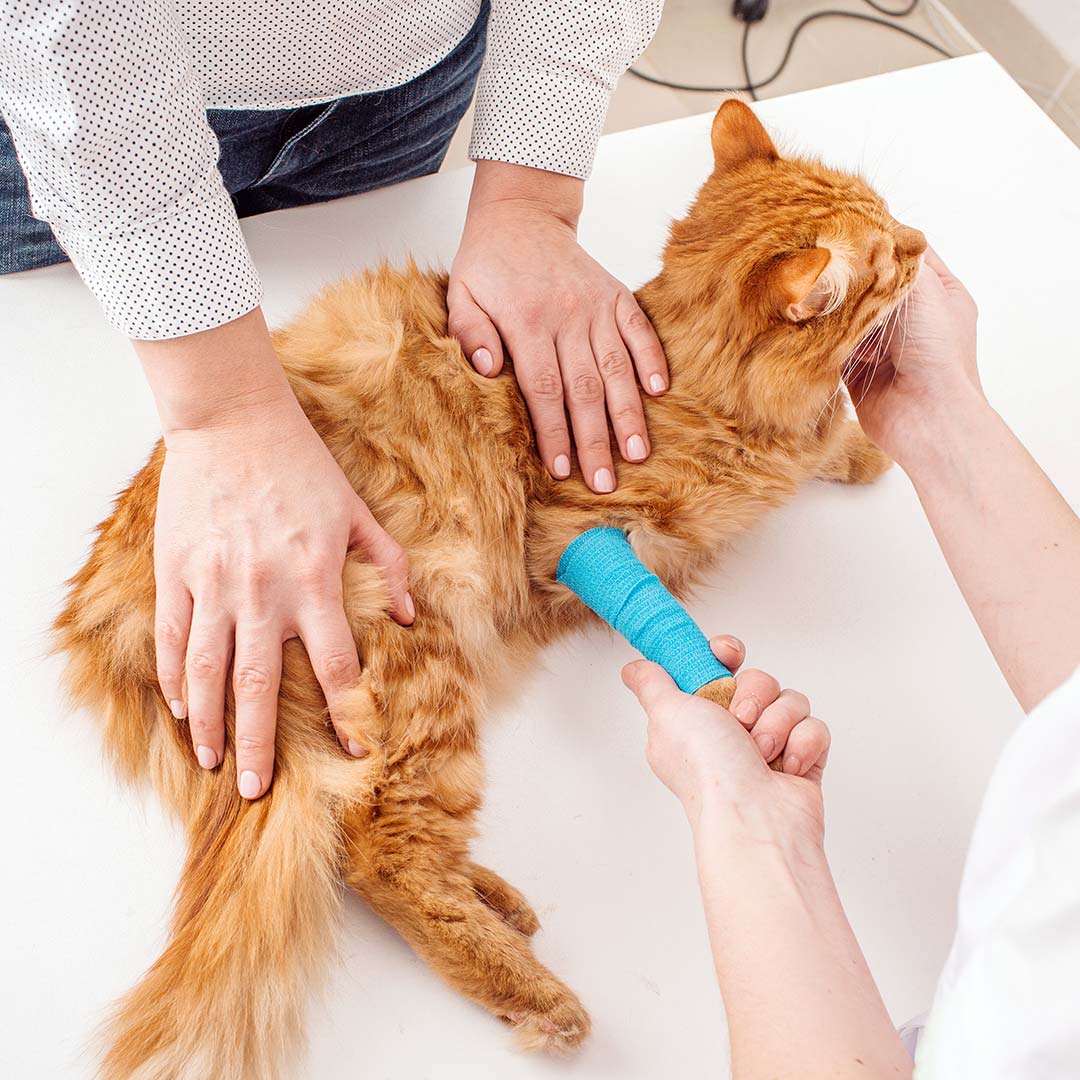
What Happens After My Pet’s Surgery?
After surgery, your pet will recover with our team keeping a close eye on their comfort, pain control, temperature, and overall stability. Once your pet is ready to go home, we will walk you through their discharge instructions so you know exactly what to expect.
Most pets need a quiet recovery period, activity restriction, medications, and help protecting the incision while it heals. Some pets bounce back with surprising confidence, while others prefer to milk the situation for extra cuddles. Both are valid recovery styles.
We will explain how to monitor your pet at home, when to give medications, how to care for the surgical site, and when to contact us with concerns. If rechecks, suture removal, biopsy results, or follow-up care are needed, we will make sure you have a clear plan.