

Golden Years & Happy Tails with Senior Pet Care in Puyallup, WA
Your senior pet is not “just getting old.” They are becoming wiser, sweeter, sassier, and maybe a little more opinionated about where they nap. At Toptails Vet, we provide personalized senior pet care to help aging dogs and cats stay comfortable, healthy, and ready for more tail wags, couch cuddles, and snack-time celebrations.
Senior pets need care that changes with them. Their joints, teeth, weight, muscle tone, organs, appetite, and energy can all shift over time, even when they still look like the same loveable goofball you have always known.
If your pet is entering their golden years, schedule a senior wellness visit with our Puyallup, WA team today. We will help you understand what is normal, what needs attention, and how to keep your aging furry companion feeling tip-top from nose to tail.
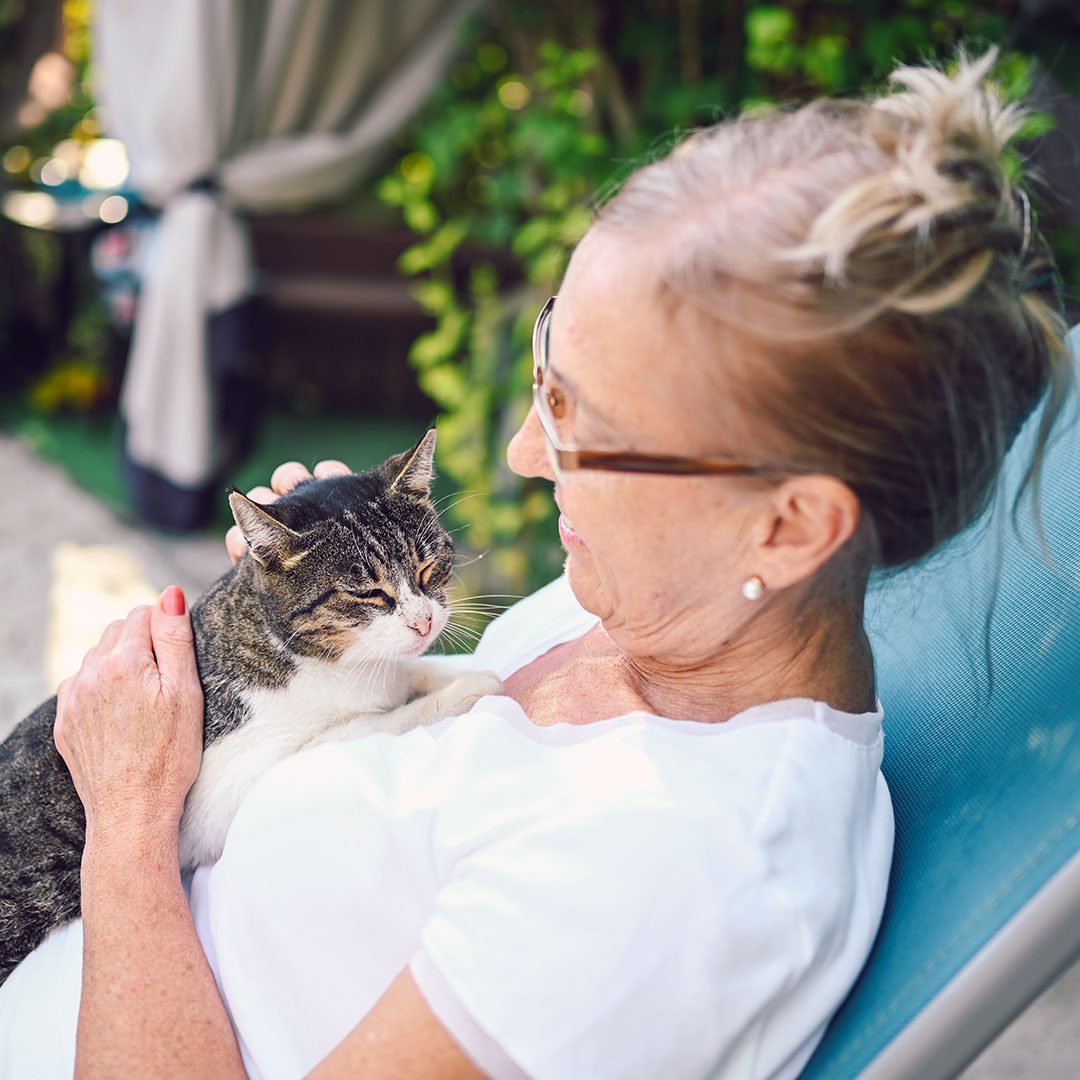
Has Your Pet Achieved Senior Status?
Most dogs and cats are considered seniors around age seven, although size, breed, species, and health history can change the timeline. Larger dogs may reach senior status earlier, while some smaller dogs and cats may age more gradually.
Senior status matters because pets are experts at hiding discomfort and early signs of illness. A little stiffness, slower movement, weight change, bad breath, or extra sleeping can seem like “normal aging,” but these changes may also point to dental disease, arthritis, kidney changes, thyroid concerns, heart disease, or other medical issues.
When we know your pet has entered their senior era, we can adjust their care before small changes turn into bigger problems. That means more comfort, better monitoring, and a care plan designed for their current stage of life.
Care That Grows With Your Pet
Senior pets deserve medical care that matches their changing needs. At Toptails Vet, we tailor recommendations based on your pet’s age, lifestyle, comfort, lab results, appetite, mobility, and daily habits.
Senior pets benefit from more frequent checkups because their health can change faster than it did when they were younger. These visits help us track weight, muscle tone, mobility, dental health, lumps and bumps, heart and lung sounds, and subtle changes you may have noticed at home.
Think of these visits as regular tune-ups for your seasoned sidekick. They help us catch changes early and keep your pet strutting their stuff.
Older pets often need food that supports their changing bodies. Some senior cats need more easily digestible, protein-rich diets to help maintain muscle, while senior dogs may benefit from carefully balanced nutrition that supports lean muscle, joint health, heart health, kidney function, and healthy weight.
We can evaluate your pet’s body condition, appetite, muscle tone, and medical needs to recommend a diet that fits their golden-year goals. Sometimes that means prescription food, and sometimes it means simple adjustments that help your pet feel stronger and more comfortable.
Bad teeth are not just a breath problem. Dental disease can cause pain, infection, trouble chewing, and strain on your pet’s overall health.
Senior pets often need extra attention to their teeth and gums because dental issues tend to build over time. At Toptails Vet, we take senior smiles seriously and help keep your pet’s mouth cleaner, healthier, and more comfortable with regular dental care.
Senior pets can have internal changes long before they show obvious symptoms. Screening tests help us check organ function, blood sugar, thyroid levels, urine health, and other important clues about what is happening beneath the fur.
These tests help us find problems earlier, when they may be easier to manage. They also give us a baseline, so we can spot changes over time and make smarter recommendations for your pet.
If your senior pet is slower to get up, hesitant on stairs, less interested in play, or no longer jumping onto favorite spots, pain may be part of the story. Arthritis and mobility changes are common in older pets, but that does not mean they have to tough it out.
Toptails Vet offers a comfort-focused approach to pain management that may include medications, joint support, weight management, injectable therapies, and other options based on your pet’s needs. The goal is simple: more comfort, better movement, and more of those happy little “I still got it” moments.
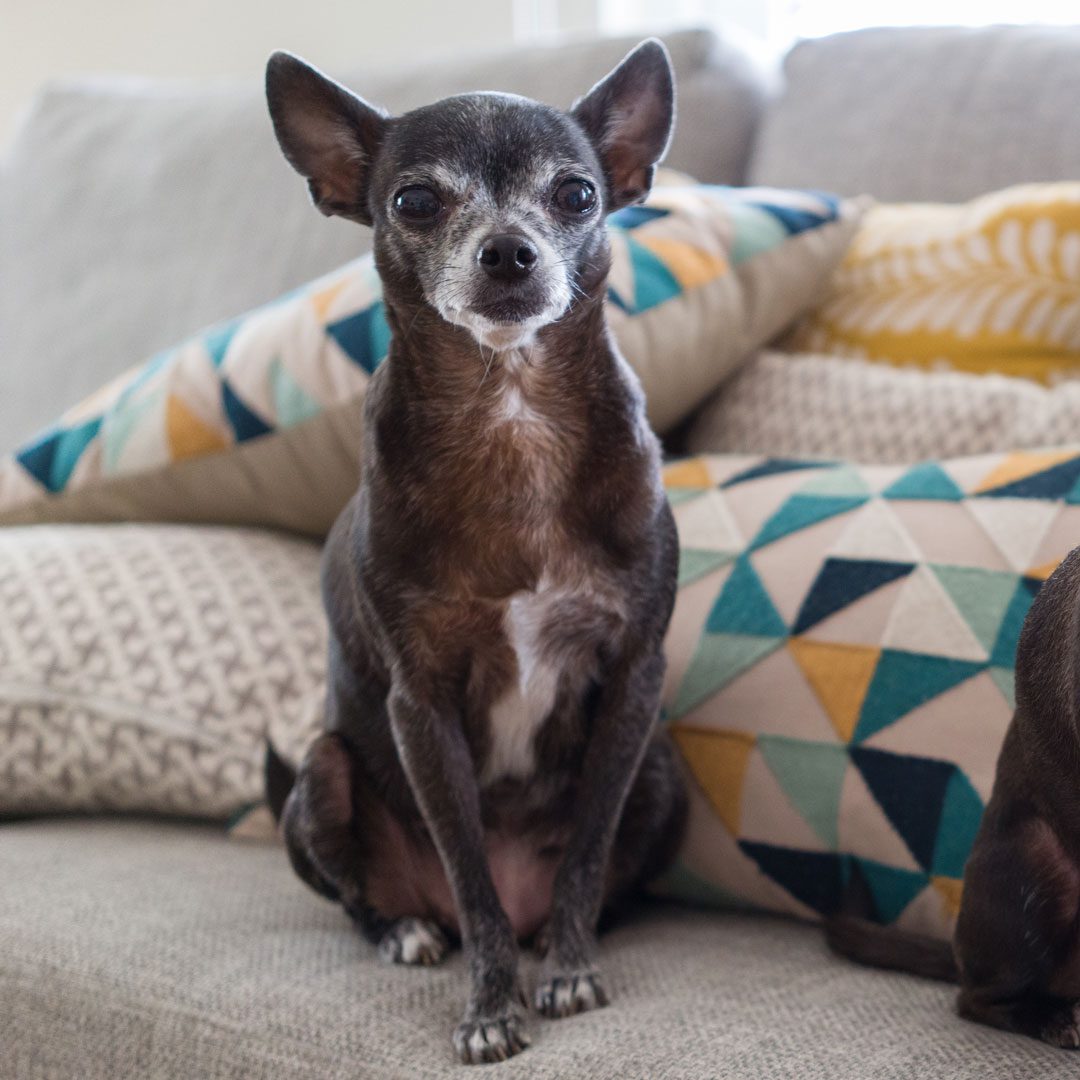
Helping Your Senior Pet Shine at Home
You do not need to completely redesign your life to support a senior pet. Small changes can make a big difference in their comfort and confidence.
You can help your senior pet at home by keeping food, water, and favorite resting spots easy to reach. Soft bedding, non-slip rugs, ramps or steps, and shorter walks can help pets with stiff joints move more comfortably.
Pay attention to changes in appetite, thirst, bathroom habits, weight, breath, mobility, sleep, or personality. If your pet seems “off,” trust that little voice in your head. Senior pets may be subtle, but their humans are often the first to notice when something needs a closer look.